
Iron Casting,Ductile cast iron,High chromium cast iron
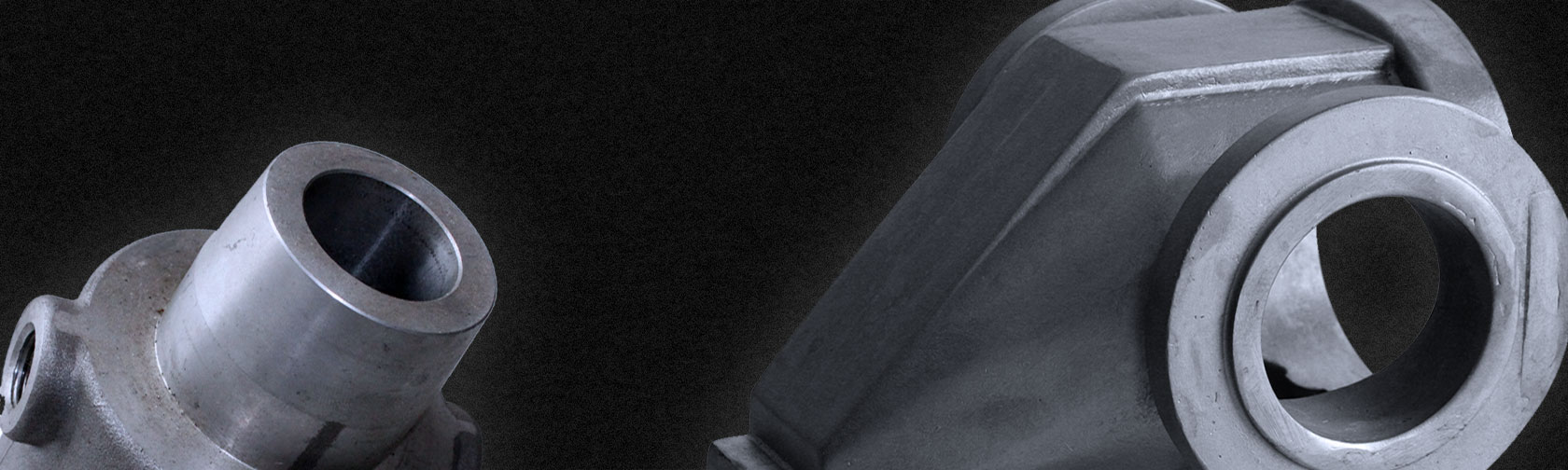


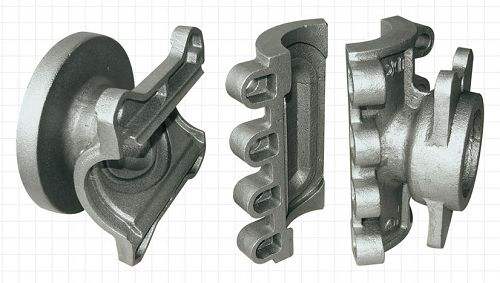
Ductile iron castingis an important metal casting process for producing strong, durable, and complex-shaped components. Also known asnodular cast ironorspheroidal graphite iron, ductile iron contains graphite in a substantially spherical form rather than the flake form found in gray cast iron.
This graphite structure gives ductile iron a useful combination of strength, toughness, ductility, wear resistance, and castability. As a result, manufacturers use ductile iron castings in automotive, machinery, agriculture, construction, mining, fluid handling, and other industrial applications.
Manufacturers can also adjust the matrix structure through chemical composition control, cooling conditions, and heat treatment. Therefore, a well-controlledductile iron casting processplays an important role in achieving consistent mechanical properties and reliable service performance.
Ductile iron casting is a manufacturing process that produces components from molten ductile iron. During production, the foundry treats the molten iron with magnesium or other nodularizing agents to promote the formation of spheroidal graphite nodules.
The graphite nodules reduce the stress concentration associated with graphite flakes in gray cast iron. As a result, ductile iron can achieve higher tensile strength, yield strength, and ductility while retaining the excellent castability of cast iron.
The final properties depend on several factors, including:
Therefore, manufacturers need to control the entire casting process rather than relying on chemical composition alone.
A typicalductile iron casting processincludes several key stages. Each stage affects the final microstructure and mechanical performance of the casting.
The foundry first prepares the charge materials according to the required ductile iron grade. Common materials include pig iron, steel scrap, foundry returns, and appropriate alloying materials.
The manufacturer controls elements such as carbon, silicon, manganese, sulfur, and phosphorus. Depending on the required grade and application, the foundry may also add alloying elements to adjust the matrix structure and mechanical properties.
At this stage, the manufacturer should also control sulfur because excessive sulfur can interfere with the nodularization treatment.
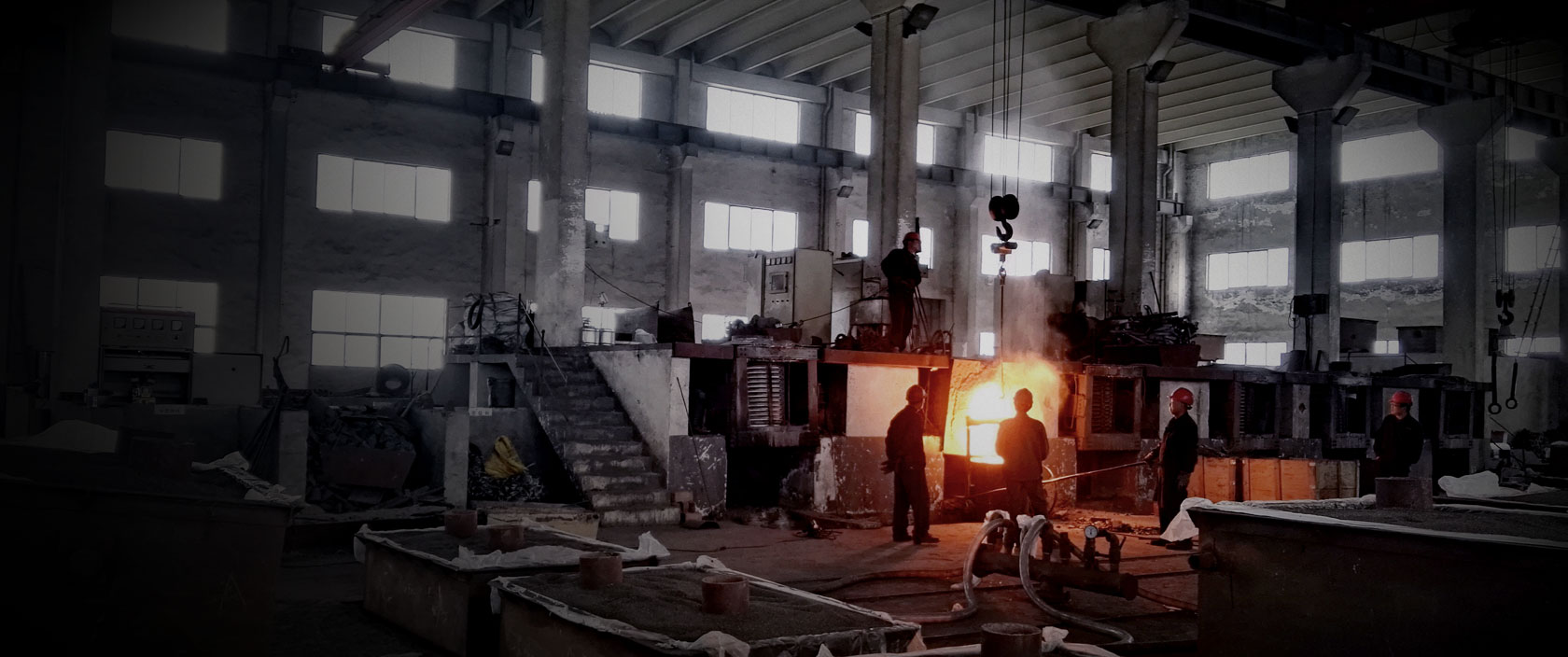
The foundry melts the charge materials in an induction furnace or another suitable melting system.
During melting, operators monitor the molten metal temperature and chemical composition. They then adjust the composition when necessary to achieve the target chemistry.
Consistent melting control provides a stable starting point for the subsequent nodularization and inoculation processes.
Nodularization represents one of the most important steps in ductile iron production.
The foundry adds a magnesium-based nodularizing alloy to the molten iron. Magnesium changes the way graphite forms during solidification and promotes the development of spheroidal graphite nodules.
The foundry can use several treatment methods, including:
The operator must carefully control the treatment because magnesium reacts rapidly with molten iron. Poor control can lead to insufficient nodularity, excessive reaction products, and inconsistent casting quality.
After nodularization, the foundry performs inoculation to promote graphite nucleation and improve the solidification structure.
The operator adds a controlled amount of inoculant to the molten iron. The treatment increases the number of graphite nucleation sites and can help reduce carbide formation.
Proper inoculation can improve graphite morphology and contribute to more consistent mechanical properties. However, the foundry must control the timing and amount of inoculant because treatment effectiveness can decrease if the molten metal remains at high temperature for too long before pouring.
At the same time, the foundry prepares the mold according to the casting design.
The mold must provide sufficient dimensional accuracy, strength, permeability, and thermal stability. Engineers also design the gating and risering system to control metal flow and compensate for shrinkage during solidification.
For complex ductile iron castings, manufacturers can use casting simulation software to analyze mold filling, solidification, shrinkage, and potential defect locations before production.
After the molten iron reaches the required condition, the operator pours it into the prepared mold.
The foundry controls pouring temperature, pouring speed, and filling time to maintain stable mold filling. Poor pouring control can cause defects such as cold shuts, misruns, inclusions, and gas-related problems.
Therefore, operators should maintain a consistent pouring process throughout production.
After pouring, the molten iron gradually solidifies inside the mold.
During solidification, graphite nodules develop within the metallic matrix. Cooling conditions strongly influence the final matrix structure and graphite morphology.
Section thickness also affects cooling behavior. Thin sections generally cool faster, while heavy sections cool more slowly. This difference can create variations in microstructure and mechanical properties within the same casting.
After the casting reaches a suitable temperature, workers remove it from the mold.
The foundry then removes sand, gating systems, risers, flash, and surface deposits. Shot blasting, grinding, and other cleaning methods can improve the casting surface and prepare the component for machining or inspection.
Some ductile iron castings require heat treatment to achieve specific mechanical properties.
Common heat treatment processes include:
The selected treatment depends on the required matrix structure and mechanical properties. Heat treatment can modify the balance between strength, hardness, ductility, and toughness.
The mechanical properties of ductile iron mainly depend on its matrix structure and graphite morphology.
Unlike gray iron, ductile iron forms graphite in approximately spherical nodules. This structure helps reduce stress concentration around the graphite and allows the material to withstand higher tensile loads.
Tensile strength indicates the maximum stress a ductile iron casting can withstand before fracture.
Different ductile iron grades provide different tensile strength levels. Manufacturers select the appropriate grade according to the load and service requirements of the component.
Yield strength represents the stress level at which the material begins to undergo permanent deformation.
Ductile iron can provide substantially higher yield strength than conventional gray cast iron, making it suitable for components exposed to considerable mechanical loads.
Elongation indicates the material's ability to deform plastically before fracture.
Ferritic ductile irons generally provide higher ductility, while pearlitic grades typically provide higher strength and hardness. Therefore, manufacturers select the matrix structure according to the specific application.
Hardness affects wear resistance, machinability, and resistance to surface deformation.
The foundry can adjust hardness through chemical composition, cooling conditions, matrix control, and heat treatment. However, increasing hardness does not always improve overall component performance. Engineers need to balance hardness with toughness, ductility, machinability, and fatigue resistance.
Ductile iron can provide better impact resistance and fracture toughness than gray cast iron because its spherical graphite morphology reduces stress concentration and limits crack propagation.
The actual toughness still depends strongly on the matrix structure, graphite morphology, casting quality, and service temperature.
Ductile iron can also provide good fatigue performance when manufacturers maintain consistent microstructure and casting quality.
Factors such as graphite nodule size, nodularity, matrix structure, surface condition, internal defects, and residual stress can all affect fatigue behavior.
Several production variables can influence the final performance of a ductile iron casting.
Carbon and silicon influence graphite formation and overall solidification behavior. At the same time, manganese, sulfur, phosphorus, and alloying elements can affect the matrix and casting performance.
The size, number, distribution, and shape of graphite nodules affect mechanical properties.
A well-controlled nodular structure generally supports better tensile performance and ductility. The foundry therefore needs to maintain stable nodularization and inoculation conditions.
Proper inoculation increases nucleation sites and can promote a more favorable graphite structure. The foundry must control both inoculant addition and treatment timing.
Cooling conditions influence the matrix structure and carbide formation. Different casting section thicknesses can therefore produce different microstructures within one component.
Heat treatment allows manufacturers to modify the matrix and achieve specific combinations of strength, hardness, ductility, and toughness.
Porosity, shrinkage, inclusions, cold shuts, and other casting defects can reduce the mechanical performance and service life of ductile iron components.
For this reason, manufacturers should combine process control with appropriate non-destructive and destructive testing.
Material handling also plays an important role in modern foundry operations. AVibrating Conveyorprovides a practical solution for continuously moving bulk and granular materials between different stages of the casting process.
A vibrating conveyor typically consists of a conveying trough, vibration drive, springs or elastic supports, and a supporting frame. The vibration system generates controlled directional movement, allowing materials to move steadily from the feeding point to the discharge point.
In a ductile iron casting plant, a vibrating conveyor can transport materials such as casting sand, metal scrap, foundry returns, small castings, shot blasting media, and other bulk materials. The conveyor can connect equipment at different stages and help maintain a continuous material flow.
Key advantages of a Vibrating Conveyor in clude:
When manufacturers integrate vibrating conveyors with feeders, screening equipment, sand recovery systems, and other material handling equipment, they can create a more efficient and continuous foundry material flow.
The combination of strength, ductility, wear resistance, and casting flexibility makes ductile iron suitable for many industrial applications.
Common applications include:
Manufacturers can select different ductile iron grades and heat treatment processes according to the load, wear, impact, and environmental conditions of each application.
The ductile iron casting processcombines controlled melting, magnesium treatment, inoculation, mold filling, solidification, cleaning, and, when required, heat treatment. Each stage contributes to the final microstructure and mechanical performance of the casting.
The key advantage of ductile iron comes from its spheroidal graphite structure. By controlling graphite morphology and matrix structure, manufacturers can produce castings with a useful balance oftensile strength, yield strength, elongation, hardness, toughness, and fatigue performance.
For this reason, ductile iron remains an important material for demanding industrial components. To achieve consistent results, however, manufacturers need to control chemical composition, nodularization, inoculation, cooling conditions, heat treatment, and casting quality as one integrated production system.
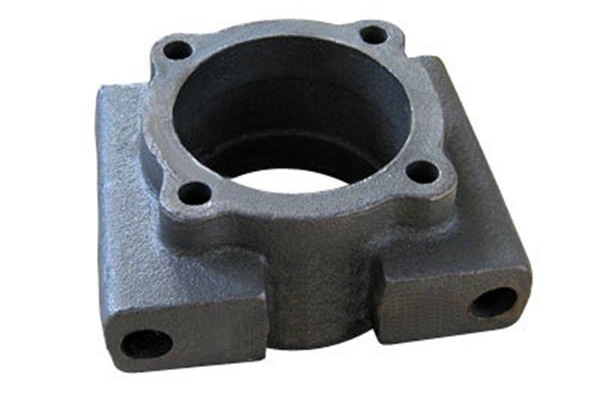 Five methods for distinguishing ductile iron Casting parts from gray cast iron parts
.jpg "Overview of the three major uses of ductile iron parts") Overview of the three major uses of ductile iron parts
How to identify the difference between ductile iron and gray cast iron
Overview of the three major uses of ductile iron parts
How to identify the difference between ductile iron and gray cast iron
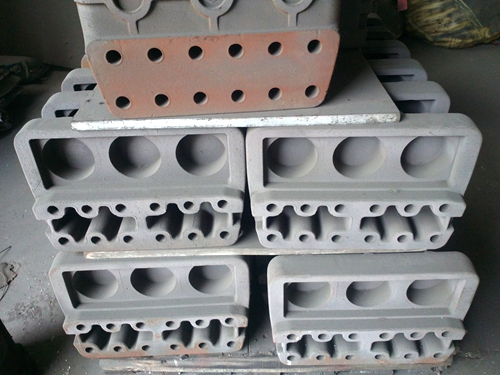 What causes shrinkage and porosity in ductile iron castings
Precautions for the production of ductile iron castings
What causes shrinkage and porosity in ductile iron castings
Precautions for the production of ductile iron castings
.jpg "How to protect the ductile iron") How to protect the ductile iron
How to protect the ductile iron
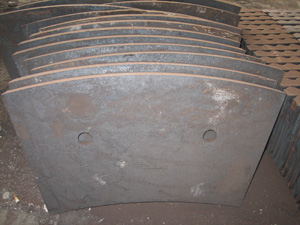 Fluidity and casting process of nodular cast iron
Ductile Iron Casting QT600-3(13)
Fluidity and casting process of nodular cast iron
Ductile Iron Casting QT600-3(13)
.jpg "Ductile Iron Casting QT600-3(11)") Ductile Iron Casting QT600-3(11)
Ductile Iron Casting QT600-3(11)
.jpg "Ductile Iron Casting QT600-3(12)") Ductile Iron Casting QT600-3(12)
Ductile Iron Casting QT600-3(12)